
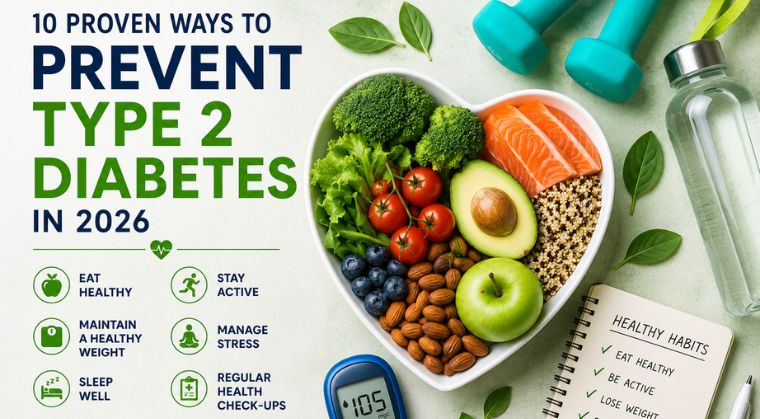
10 Proven Ways to Prevent Type 2 Diabetes in 2026
Studies show lifestyle changes can cut your diabetes risk by up to 58%. Here's your complete, expert-backed action plan for diet, exercise, sleep, and more.
How can you prevent Type 2 diabetes? Here's what the science says:
Understanding Type 2 Diabetes
Type 2 diabetes is a chronic metabolic condition where the body becomes resistant to insulin or produces insufficient insulin - causing persistently high blood sugar. Unlike Type 1 (an autoimmune disease), Type 2 is largely preventable through lifestyle changes. Experts agree the vast majority of prediabetes and Type 2 cases can be prevented through diet and lifestyle adjustments.
In India, the reality is sobering - a WHO report notes that by 2025, tens of millions of Indians had diabetes or prediabetes, making "How can I prevent diabetes?" one of the country's most-googled health questions. But the good news is powerful: one landmark U.S. study (the Diabetes Prevention Program) found diet and exercise reduced new diabetes cases by 58% - and by a remarkable 71% in adults over 60.
The vast majority of prediabetes and Type 2 diabetes can be prevented through diet and lifestyle changes. Small steps lead to big results.
— Harvard Health / U.S. Diabetes Prevention Program ResearchAccording to the CDC Diabetes Prevention Program , healthy lifestyle changes can significantly reduce diabetes risk.
Why Prevention Matters — The Numbers
Preventing Type 2 diabetes is far easier than managing it. The evidence is clear and compelling:
10 Proven Ways to Prevent Type 2 Diabetes
Preventing type 2 diabetes starts with healthy daily habits. Diet is your most powerful tool. Focus on whole, plant-based foods - vegetables, fruits, legumes, and whole grains - rich in dietary fiber. Fiber slows digestion of carbohydrates and prevents blood sugar spikes. Consuming at least 35 grams of fiber daily (achieved with 5–7 servings of veggies and legumes) is linked to a ~30% lower diabetes risk. Fiber also promotes fullness and aids weight control.
- Fill half your plate with non-starchy vegetables - leafy greens, broccoli, carrots, peppers
- Switch to whole grains: brown rice, whole-wheat roti, oats, ragi, bajra, and quinoa
- Add legumes (beans, dal, chickpeas, lentils) to every meal - protein + fiber powerhouses
- Eat whole fruits (berries, apples, oranges) rather than juice to retain the fiber
- Avoid sugary drinks, white bread, white rice, pastries, and processed snacks
Many experts recommend exercise and nutrition to prevent type 2 diabetes naturally. Physical activity boosts your muscles' sensitivity to insulin, allowing blood sugar to enter cells efficiently. 150 minutes of moderate-to-vigorous activity per week - about 30 minutes five days a week - reduces insulin resistance by 40–50%. Exercise also supports weight control and cardiovascular health. Even a 15-minute walk after meals can meaningfully lower post-meal glucose spikes.Regular physical activity plays an important role in preventing type 2 diabetes.
- Aerobic exercise: brisk walking, cycling, swimming, jogging - 30 min, 5 days/week
- Strength training: push-ups, squats, resistance bands - 2–3 times per week
- Lifestyle activity: take stairs, walk during calls, do vigorous household chores
- Break up sitting time - stand or walk for 2 minutes every 30 minutes at a desk
Understanding how to prevent type 2 diabetes can help reduce long-term health risks.
Exercise Tips to Prevent Type 2 Diabetes
Excess body fat - especially around the abdomen - is a major diabetes risk factor. The remarkable news: you don't need to achieve a perfect BMI. Losing just 5–10% of your body weight yields dramatic results. In the landmark DPP study, participants who shed ~7% of body weight cut their diabetes incidence by 58%. A 200-pound person losing just 10–20 pounds sees that level of protection.- Set realistic goals: aim for 1–2 pounds per week, not crash dieting
- Combine diet + exercise - both together are more powerful than either alone
- Practice mindful eating: smaller plates, eat slowly, stop at 80% full
- Choose Mediterranean or DASH-style eating patterns for sustainability
- Track weekly weight to catch creep early and adjust habits
- The best way to prevent type 2 diabetes is maintaining a healthy body weight.
Not all carbohydrates are created equal. Focus on "slow carbs" with a low glycemic index - whole grains, legumes, and starchy vegetables - that digest gradually and raise blood sugar more slowly. Choosing whole grains over refined ones can reduce blood sugar spikes by 25–30%. Indian superfoods like ragi, bajra, jowar, and oats are excellent high-fiber carb choices.
- Replace white rice with brown rice, red rice, or millets (ragi, bajra)
- Use whole-wheat or multigrain atta for rotis and parathas
- Snack on nuts, yogurt, or fruit instead of biscuits and chips
- Avoid sugary cereals, sweetened chai, sodas, and packaged juices
Fats don't directly raise blood sugar, but quality matters enormously for diabetes prevention. Healthy unsaturated fats improve heart and metabolic health. Mayo Clinic advises including a variety of foods with unsaturated fats - they help lower LDL cholesterol and raise beneficial HDL cholesterol, protecting against both diabetes and heart disease.
- Cook with olive oil, sunflower oil, or canola oil instead of ghee or butter
- Snack on a handful of almonds, walnuts, or pumpkin seeds daily
- Include fatty fish (salmon, mackerel, sardines) twice a week for omega-3s
- Add flaxseed or chia seeds to smoothies, yogurt, or porridge
- Limit saturated fats (ghee, butter, full-fat dairy, fatty meat cuts)

Healthy sleep and stress management may help prevent type 2 diabetes. Chronic sleep deprivation disrupts the hormones that control blood sugar. Short or fragmented sleep raises cortisol and stress hormones that increase insulin resistance. Studies consistently link poor sleep with higher diabetes risk. Aim for 7–8 hours of restful, consistent sleep. Times of India lists adequate sleep as one of the key diabetes-preventing habits - and the research firmly backs this up.
- Maintain a fixed sleep and wake schedule - even on weekends
- Keep your bedroom dark, cool, and quiet for deeper sleep
- Avoid screens (phone, TV) for at least 60 minutes before bed
- Limit caffeine after 2 PM and avoid heavy meals close to bedtime
Chronic stress triggers cortisol and adrenaline release - hormones that directly raise blood glucose and impair insulin function. Stress also drives unhealthy behaviors like overeating and skipping exercise. Smoking is an independent diabetes risk factor, increasing insulin resistance. NDTV lists both "stop smoking" and "manage stress" among the most important diabetes-prevention steps.
- Practice daily meditation, deep breathing, or yoga for 10–15 minutes
- Take regular walks outdoors - both stress relief and exercise
- Quit smoking - speak to your doctor about cessation programs
- Limit alcohol to moderate levels (1 drink/day max); avoid binge drinking
- Connect with friends and family - social support reduces chronic stress
Drinking water helps maintain blood volume, supports kidney function, and replaces calorie-dense sugary drinks. A single can of soda can spike blood sugar as sharply as an equivalent weight of pure sugar. Replacing just one sugary drink per day with water can eliminate 150–300 calories daily, preventing weight gain and glucose spikes. Make water your default beverage.
- Drink 8–10 glasses of water daily; more on active or hot days
- Add cucumber, lemon, mint, or ginger slices for flavored water
- Replace sodas, packaged juices, and sweetened chai with herbal teas or plain water
- Carry a reusable water bottle to stay consistent throughout the day
Prediabetes often has no symptoms - you could have it and not know. The American Diabetes Association recommends routine screening starting at age 35, or earlier if overweight or with a family history. Catching prediabetes early means you can still reverse course entirely with lifestyle changes before it progresses to Type 2. Monitor blood pressure and cholesterol too, as they often accompany prediabetes.
- Get a fasting blood glucose or HbA1c test annually if you have risk factors
- Know your numbers: normal fasting glucose <100 mg/dL, HbA1c <5.7%
- Check blood pressure and cholesterol at every annual physical
- Use home glucometers only as advised - focus on professional screening first
Behavior change is dramatically easier with support. Structured Diabetes Prevention Programs (DPPs) - available in India and globally - provide trained coaches, peer support, and accountability systems. Share your goals with family; home-cooked meals and shared walks reinforce healthy habits. You're not alone in this - and you don't have to be.
- Join a Diabetes Prevention Program - look for DPP-certified programs in your city
- Work with a registered dietitian for a personalized meal plan
- Share your goals with family so they can support your food choices
- Use health apps (MyFitnessPal, Google Fit) to track food, steps, and weight
Best Foods to Prevent Type 2 Diabetes Include vs. Limit
Your grocery list is your most powerful diabetes-prevention tool. Here's a clear, practical guide to what to eat more of - and what to reduce.
- Brown rice, whole-wheat roti, oats, millets (ragi, bajra)
- Lentils, beans, chickpeas, rajma, moong dal
- Leafy greens, broccoli, carrots, peppers, tomatoes
- Whole fruits: berries, apples, oranges, guava
- Fish, chicken (skinless), eggs, tofu, low-fat paneer
- Olive oil, sunflower oil, almonds, walnuts, flaxseed
- Cinnamon, turmeric (anti-inflammatory spices)
- Green tea, herbal teas, infused water
- White rice, white bread, maida-based products
- Sugary sodas, packaged fruit juices, sweetened chai
- Sweets, mithai, candy, chocolates, ice cream
- Deep-fried foods: samosas, puris, chips, namkeen
- Processed meats: sausages, bacon, salami
- Excess ghee, butter, cream, full-fat dairy
- Packaged biscuits, instant noodles, ready-to-eat meals
- Alcohol (especially beer, cocktails with mixers)
Prevention Strategy vs. Impact
A quick-reference comparison of each strategy and its evidence-backed impact on diabetes risk:
| Prevention Strategy | Target | Impact on Diabetes Risk | Evidence |
|---|---|---|---|
| Lose 5–10% body weight | Body weight | ~58% lower risk | DPP Study / Mayo Clinic |
| Exercise (150+ min/week) | Insulin sensitivity | 40–50% improvement | Times of India / CDC |
| High-fiber diet (≥35g/day) | Blood sugar control | ~30% reduced risk | Harvard / Nutrition Studies |
| Replace refined carbs with whole grains | Glucose spikes | 25–30% fewer spikes | Times of India |
| Quit smoking | Insulin resistance | Lowers IR, CVD risk | NDTV / WHO |
| Quality sleep (7–8h) | Cortisol / hormones | Stabilizes blood sugar | Harvard Health |
| Avoid sugary drinks | Calorie intake | –150 to –300 cal/day | CDC / WHO Guidelines |
Get weekly health & wellness tips.
Science-backed. India-relevant.
Curated health guides, nutrition tips, and the latest wellness research - delivered every week. Trusted by 25,000+ readers.
Frequently Asked Questions
Answers to the most common questions about preventing Type 2 diabetes.
Type 2 diabetes is a condition where the body becomes resistant to insulin or doesn't produce enough of it, leading to high blood sugar. It is usually linked to lifestyle factors - weight, diet, and activity - and typically develops in adulthood. Type 1 diabetes is an autoimmune disease where the pancreas produces little or no insulin, usually appearing in childhood, and is not preventable through lifestyle.
Yes - and the evidence is very strong. The landmark U.S. Diabetes Prevention Program found diet and exercise interventions cut new diabetes cases by 58% in high-risk adults, and by 71% in those over 60. Key steps include eating a high-fiber diet, exercising regularly, maintaining healthy weight, and avoiding sugary foods. Small, consistent changes can reduce your risk by half or more.
Foods high in fiber and nutrients are your best allies. Include vegetables, whole grains (brown rice, oats, whole wheat), legumes (beans, lentils, dal), whole fruits, and lean proteins. These release sugar slowly into the bloodstream. Also include healthy fats like olive oil, nuts, and fatty fish. Avoid or strictly limit white rice, white bread, sugary drinks, and processed snacks.
You don't need to reach an "ideal" weight to benefit. Losing just 5–10% of your current body weight can dramatically cut diabetes risk. For example, a 90 kg person losing 4.5–9 kg may reduce their risk by over half. Combined with regular exercise and dietary changes, even this modest loss yields major protective effects. Slow, steady weight loss is more sustainable than crash dieting.
Aim for at least 150 minutes per week of moderate-intensity exercise - brisk walking, cycling, or swimming. That's 30 minutes five days a week, which you can split into shorter sessions (e.g., three 10-minute walks). Additionally, add strength training 2–3 times weekly. Even daily short walks after meals can help improve blood sugar - consistency matters more than intensity.
Yes, significantly. Poor sleep raises cortisol, which increases blood sugar and impairs insulin function. Chronic sleep deprivation is consistently linked to higher diabetes risk. Poor sleep also increases hunger hormones (ghrelin) and reduces satiety hormones (leptin), leading to overeating and weight gain. Aim for 7–8 hours of quality, consistent sleep every night.
Chronic stress doesn't directly "cause" diabetes, but it raises cortisol and adrenaline - hormones that elevate blood sugar and reduce insulin effectiveness. Sustained high cortisol can contribute meaningfully to diabetes risk over time. Stress also drives unhealthy behaviors like overeating, skipping exercise, and poor sleep. Managing stress through yoga, meditation, deep breathing, and social connection helps protect against these effects.
Smoking increases insulin resistance and is an independent risk factor for Type 2 diabetes - quitting is strongly recommended. Excess alcohol can lead to weight gain, unstable blood sugar, and liver stress. Moderate alcohol (maximum 1 drink/day for women, 2 for men) has less impact, but avoiding excess is wise for diabetes prevention. Both smoking and heavy drinking compound cardiovascular risks alongside diabetes risk.